
Whether you are planning a full kitchen renovation with new cabinet units and doors, or a few simple updates, the main question every homeover will be asking is, how much does a new kitchen cost? With many varying factors for the overall price, it ultimately depends on a selection of factors, such as the size of your kitchen, the materials, the labour, etc.
At Kitchen Door Hub, we are committed to providing you with a brand new kitchen with confidence; therefore, we will begin to break down each factor in the cost process and provide realistic budgets that you can consider without stress.
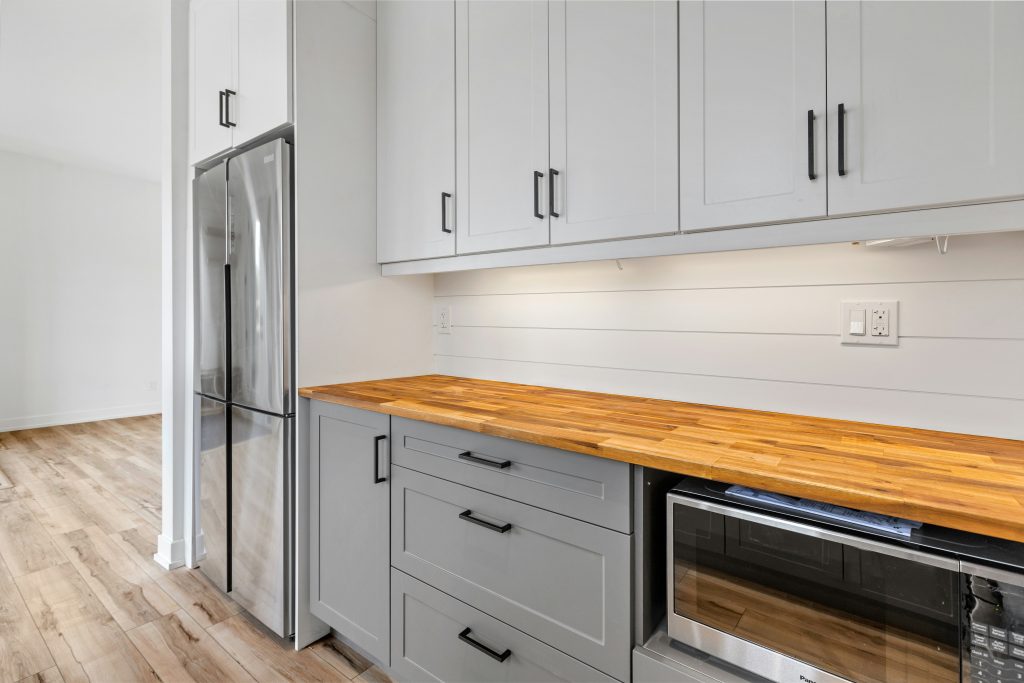
Why Do Kitchen Cost Prices Vary?
Before diving straight into daunting numbers, it is important to break down the reasons why kitchen costs differ between homes, to help provide you with a better understanding of your own budget.
For a new kitchen renovation, typical charges will include:
- Cabinetry and Units
- Appliances
- Worktops
- Installation and Labour Costs
- Plumbing, Electrics, Etc.
Each of these factors will come with its own variants on price, depending on the quality, brand and complexity of the project. It is also important to take into account the size of your kitchen, i.e. larger kitchens will most likely cost more overall, as there is more space to work with.
What Is The Average Cost Of A New Kitchen in The UK?
To work out the cost of your specific home, it is important to look at the average cost across the UK based on the variety of kitchen renovations available. Each aspect of your kitchen needs to be accounted for when creating your budget price. Average prices can also vary depending on where in the UK you live; therefore, an average ballpark figure would be as follows:
- Budget Kitchens – £3,000-£8,000: Budget Kitchens are perfect for those with a smaller home and budget. With a smaller kitchen comes a smaller amount of cabinets, appliances and worktops, therefore lowering the price significantly.
- Mid-Range Kitchens – £8,000-£18,000: Mid-Range Kitchens tend to be the average ballpark figure, and the most common choice when opting for a full kitchen renovation. Mid-Range Kitchens often include Integrated Appliances, higher-quality worktops and additional cabinets. However, depending on the materials used, you may be looking at the higher end of the budget.
- Premium Kitchens – £18,000-£30,000+: Premium Kitchens offer the highest quality materials for your renovation, with options such as quartz worktops and designer touches.
Each of these figures includes everything you would need for a full renovation, including units, worktops and appliances, as well as basic trades such as plumbing and electrics. If you required structural changes, however, this would significantly push the figures upwards.
As a quick rule of thumb, budget kitchens would be for those wanting a small basic kitchen, with laminate worktops, a mid-range kitchen would be ideal for those wanting integrated appliances, with higher quality materials, and premium kitchens are there for those looking for premium appliances, extensive worktops and structural changes.
Which Factors Will Affect My Overall Cost For A New Kitchen?
Now that we have discussed the overall estimated price of a new kitchen in the UK, we can begin to break down each section to figure out exactly what is necessary for your home improvement in order to budget accordingly and stay within your price limit.
- Kitchen Cabinets: If you are updating your kitchen cabinets, this will likely be where the majority of your budget will go, depending on the material, design and construction.
- Appliances: If it is necessary to update all of your appliances, then this will also play a major role in the overall total spend for your kitchen, with a complete set of standard appliances costing between £1,500 and £3,000, rising in price for well-known brands.
- Worktops: Ultimately, worktops are an essential and necessary part of a kitchen. Therefore, choosing the right one for you is necessary to achieve functionality, but also to enhance your new aesthetic. Each type of kitchen worktop will come with a different price range, including:
- Laminate: £100-£300 per metre.
- Solid Wood: £150-£400 per metre.
- Quartz: £350-900 per metre.
- Granite: £400-£1,000 per metre.
- Laminate: £100-£300 per metre.
- Kitchen Size and Layout: The size and layout of your kitchen will be a major factor in deciding a budget for your renovation. For example, smaller kitchens are likely to cost less than a larger kitchen; however, depending on the extent of your makeover, i.e. if you are changing the layout, this will then raise the price further. If you are working with an L-Shaped kitchen or an Open-Plan kitchen, this will also have a major impact on the budget, as the larger the space, the more you will require additional materials and units.
- Finishing Touches: The final finishing touches are often forgotten from the price of an initial budget, including replacement handles and hinges, and lighting. It is crucial to account for these additions from the beginning of the budgeting process to ensure that surprise costs are not brought up unnecessarily.
- Labour and Installation: Although they may not be necessary depending on your situation, it is still important to budget in for fitters when creating your renovation in case any issues arise throughout the process. If you are already planning on using outsourced labour, here are some ballpark estimates:
- Each installer will have their own installation fee. Although we cannot provide examples for everyone, more often than not, installation fees vary between £1,500 and £8,000. For smaller kitchens and fewer labour needs, these costs may significantly drop.
- If an entire rewiring is needed for your kitchen, or plumbing work is necessary, this will, of course, raise the overall price.
- Although this may be a hefty addition to your budget, ensuring that your kitchen is fitted correctly and safely should be your highest priority.
- Each installer will have their own installation fee. Although we cannot provide examples for everyone, more often than not, installation fees vary between £1,500 and £8,000. For smaller kitchens and fewer labour needs, these costs may significantly drop.
How Can I Reduce The Cost Of My Kitchen Renovation?
There are many simple ways to reduce the cost of your brand new fitted-kitchen without having to compromise on style and functionality. For example, here are a few ways in which you can have a smaller budget, whilst still achieving your dream layout:
- Choose a Mixture of Materials: If you have your heart set on a specific material for a worktop, for example, but you cannot stretch your budget to cover the full amount, try opting for implementing that material in a specific area, such as on a kitchen island, and using a cheaper alternative on the remainder of your worktops. By doing so, you can still achieve a luxurious aesthetic without having to break the bank.
- Refurbishing, Rather Than Replacing: Find simple ways in which you can maintain your original kitchen cabinets without having to implement a full renovation. For example, opting for replacement kitchen doors is a cheaper alternative, with made-to-measure options for a simple fix without the price point. If you are happy with your cabinets and cabinet doors, but you are still looking for a way to upgrade your space, why not try replacing your worktops for an instant update without the full rework?
- Stick To The Kitchen’s Original Layout: Although a change in layout can instantly upgrade your kitchen, you have to budget for the additional charge for professional plumbing and electrical work where necessary. Sticking to your original layout can help to reduce any unnecessary costs, whilst still giving your kitchen a well-deserved makeover you can be proud of.
- Shop In The Sales: If you are working with a super tight budget, the simplest way to work alongside it is to shop for your new kitchen in annual sales, or even purchasing in bundles to help reduce the cost.
How Do I Budget Accordingly?
Budgeting accordingly is a simple task once you have broken down each factor of your desired upgrades. By doing this, you can stay in control of what you are spending, to avoid any surprise costs in the future.
By looking at each factor of your kitchen individually, as well as the supplies each section will require and cost, you can gain an estimated budgeting plan. Below is an example which will fit the majority of customers:
- 50% Cabinets
- 20% Worktops
- 15% Appliances
- 10% Installation
- 5% Additional Finishing Touches
However, we would recommend trying to save an additional 10% contingency where possible, to help cover unexpected costs, such as if any issues arise that were not planned for.
It is important to remember that each kitchen will have its own priorities. Depending on the size of the space, the accessibility needs you may have, and the non-negotiables you may desire, using this budget breakdown will help you to organise your finances accordingly, prioritising your own personal needs.
How Much Should I Spend On A New Kitchen?
Now that you have broken down each of the elements which will factor into your kitchen upgrade, you are now ready to begin your renovation journey.
Proper budgeting and utilising your kitchen space can help to provide long-term property value, but most importantly, can provide everyday comfort in your home for you and your family. Understanding how each aspect of the kitchen upgrade can affect the overall cost can help you to find simple ways to adapt your budget and kitchen needs/wants, by cutting unnecessary costs wherever possible.
Adapting to use specific cost-saving materials, sticking to your original layout and creating a well-structured layout can help you to create your dream kitchen and home without having to exceed your budget. For support on getting started with your dream kitchen makeover, contact us today, where one of our specialists will be more than happy to help you find budget-friendly ways to get the kitchen you deserve.